


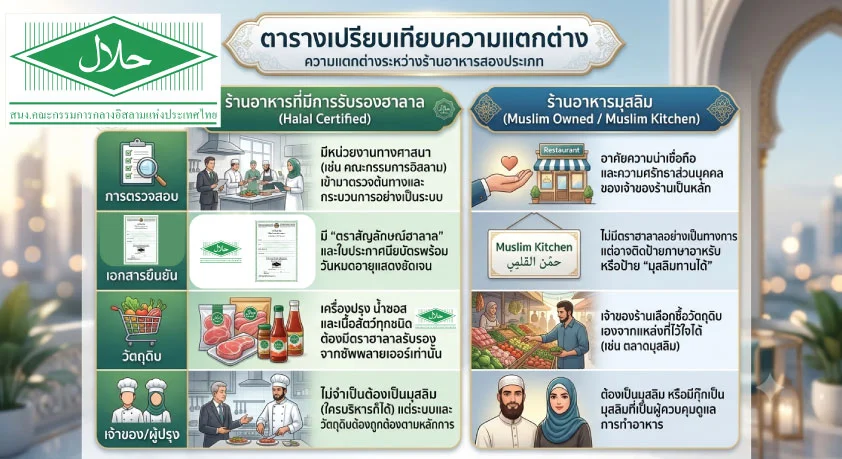
Comparison table of differences

In-depth Differences
Halal-Certified Restaurants: These are often found in hotels, large restaurants, or franchises (in some branches/countries). Their key feature is strict documentation and certification standards, even going so far as to ensure that the dishwashing liquid used or the preservatives in soy sauce do not contain any forbidden (najis) ingredients. This is ideal for Muslims seeking 100% assurance at an industrial level.
General Muslim Restaurants: These are usually street food stalls, curry shops, or made-to-order restaurants run by Muslims. Most Muslims choose to eat at these establishments based on the principle of "trust in fellow believers," believing that Muslims would not use haram (forbidden) ingredients in their food or food.
???? Caution for Tourists: > Some restaurants that are "not" Muslim but want Muslim customers may simply display a "Halal" sign or use halal meat, but still use seasonings containing alcohol in their kitchens or use cutting boards shared with pork. Therefore, if there is no Halal certification and the owner is not Muslim, inquire thoroughly before patronizing the establishment.
Interest
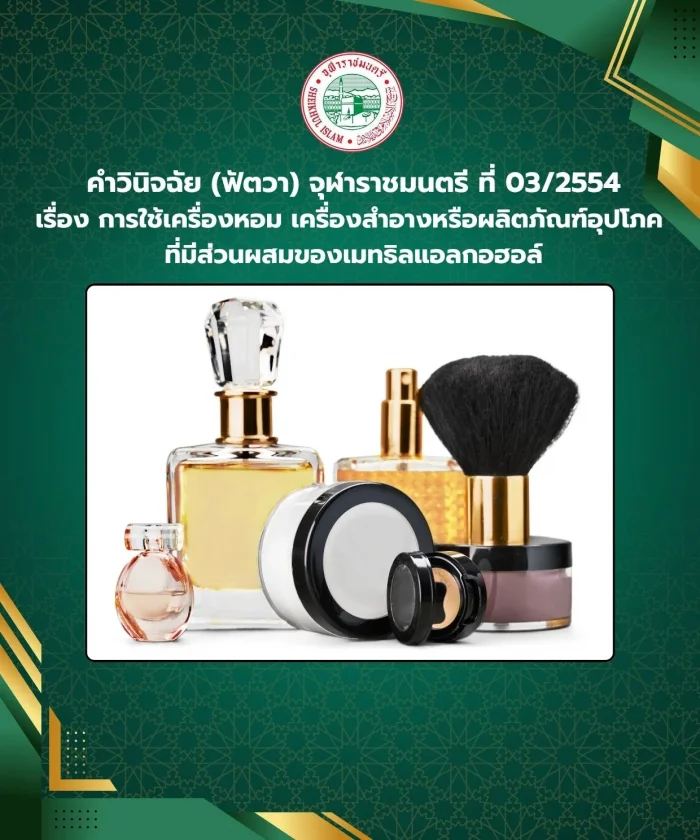
Judgment (Fatwa) Chularatchamontri No. 03/2011
Regarding the use of perfumes Cosmetics or consumer products that contains methyl alcohol.
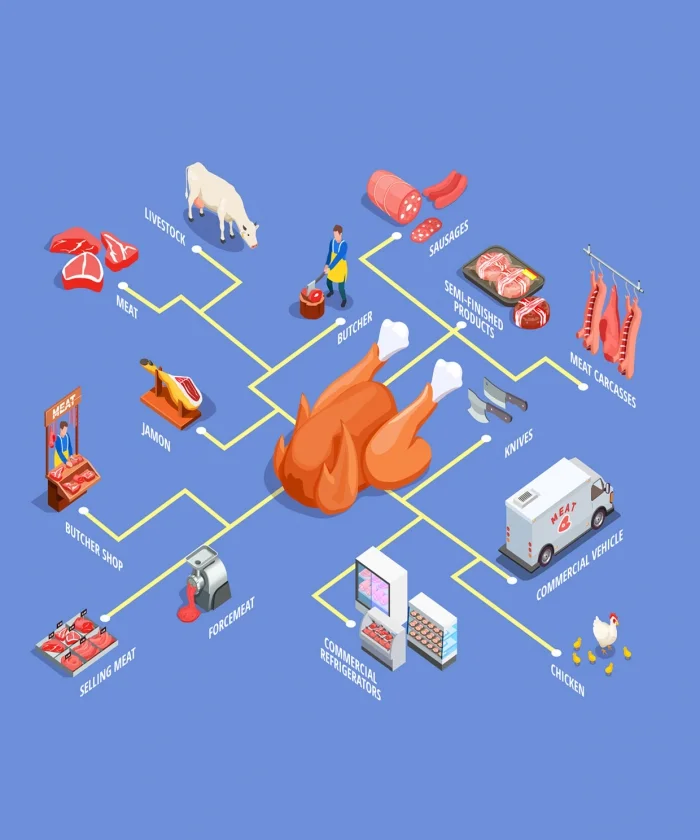
Slaughterhouse and eviscerated parts
Slaughterhouse and eviscerated parts
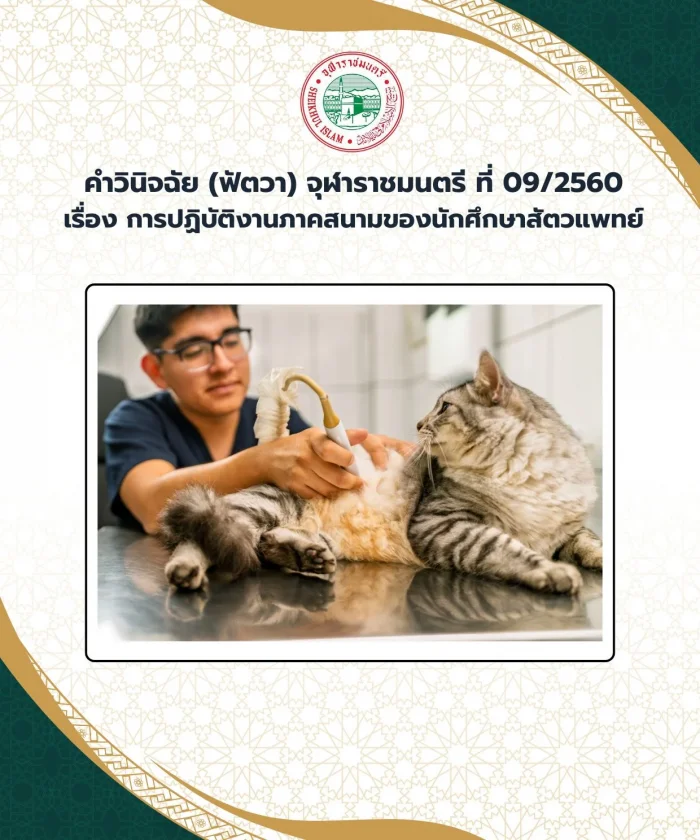
Judgment (Fatwa) Chularatchamontri No. 09/2017 regarding field work of veterinary students
Judgment (Fatwa) Chularatchamontri No. 09/2017 regarding field work of veterinary students